
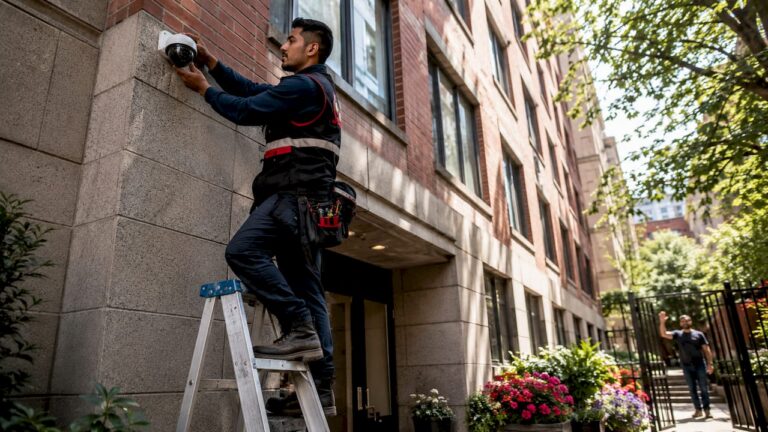
Apartment complex surveillance is defined as a professionally managed CCTV and monitoring system that prevents crime, protects residents, and supports property management through documented incident response. Property managers who understand why apartment complexes need surveillance gain a direct advantage: 83% of convicted offenders avoid properties with visible security systems, and 60% would choose a different neighborhood entirely when they spot cameras and active monitoring. That single statistic reframes surveillance from a cost center into a competitive asset. Liability exposure, tenant retention, and operational control all improve when the right system is in place.
Why apartment complexes need surveillance to deter crime
Visible cameras change criminal behavior before any incident occurs. The mechanism is simple: a potential offender calculates risk versus reward, and a camera raises the perceived risk of getting caught. Surveillance cameras reduce criminal activity by 13–51%, with active monitoring pushing effectiveness up to 50% higher than passive recording alone. That gap between passive and active is the most important number in apartment security today.
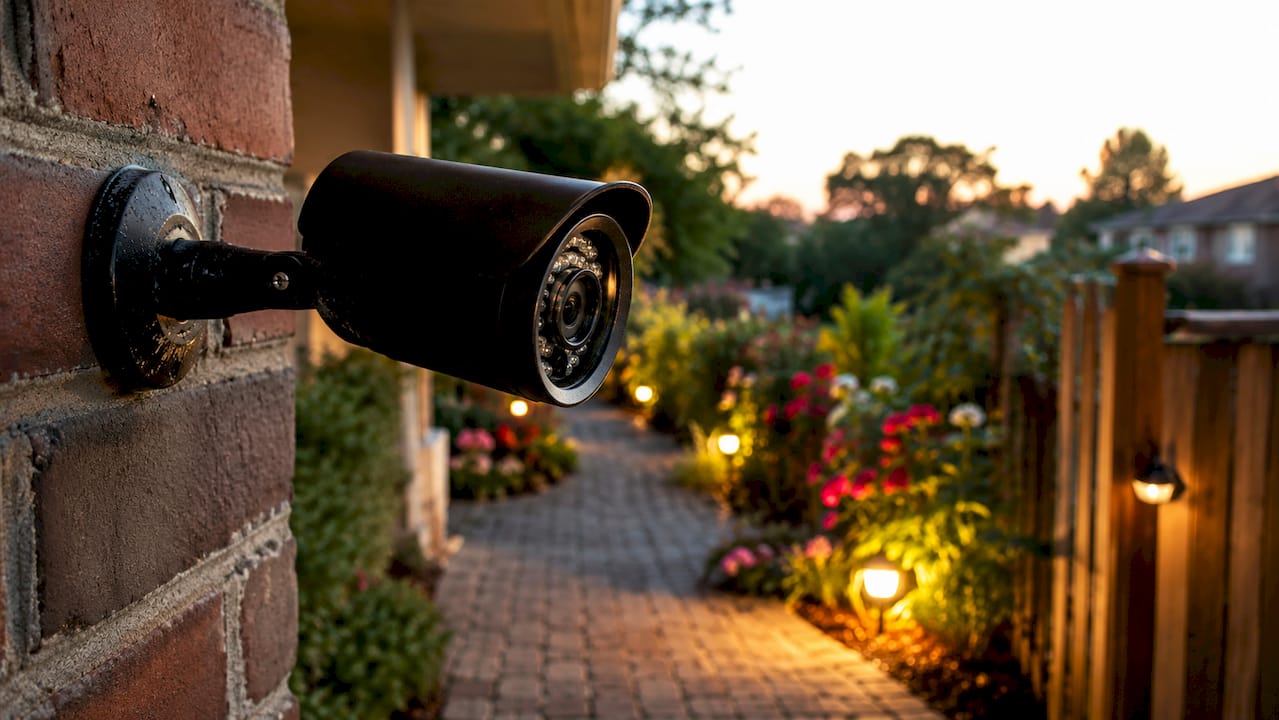
Strategic placement drives most of that reduction. Cameras positioned at decision points, such as building entrances, parking lots, mail rooms, and amenity areas, intercept offenders at the moment they choose whether to act. A camera mounted in a back stairwell that nobody watches live provides far less deterrence than one at the front entrance paired with a live monitoring feed.
The benefits of security cameras extend beyond theft prevention. Vandalism, unauthorized access, and package theft all drop significantly when residents and visitors know the property is actively watched. Properties without any system face a stark reality: homes without security systems are 300% more likely to be targeted by burglars. Apartment buildings with dozens of units and shared access points carry that same elevated risk at scale.
- Building entrances and lobbies: The highest-traffic decision points for unauthorized access
- Parking lots and garages: The most common location for vehicle break-ins and assaults
- Stairwells and elevators: Low-visibility zones that offenders exploit
- Amenity areas: Pools, gyms, and laundry rooms attract both residents and trespassers
- Perimeter fencing and gates: First line of defense against external threats
Pro Tip: Place cameras at eye level near entrances rather than angled down from high corners. Eye-level placement captures face detail for identification, while overhead angles often record only the tops of heads.
How AI and live monitoring transform apartment security
Traditional security staffing has a structural problem. Security industry turnover often exceeds 100% annually, meaning the guard watching your cameras today may be gone within the year. Constant retraining, inconsistent coverage, and high labor costs make human-only guard models difficult to sustain for multifamily properties.
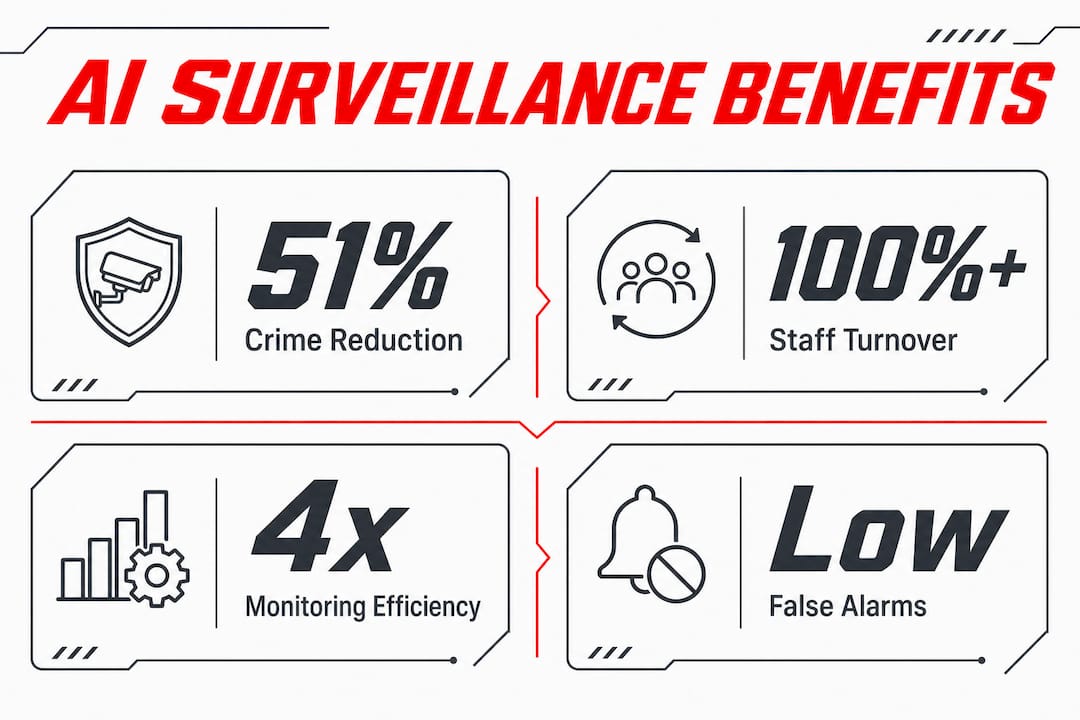
AI-powered surveillance addresses this directly. One operator can manage alerts that previously required 3–4 guards, because the AI filters noise and surfaces only verified threats. The operator responds to real events instead of staring at dozens of quiet feeds. That efficiency is not a minor improvement. It fundamentally changes the economics of apartment security.
Human attention also degrades quickly under sustained monitoring. Vigilance drops significantly after about 20 minutes of watching camera feeds, making unassisted manual surveillance unreliable for properties with large camera arrays. AI-assisted systems reduce both missed threats and false alarms by classifying behavior before alerting a human operator.
Modern AI surveillance systems detect specific threat categories in real time:
- Tailgating: Someone following an authorized resident through a secured door without badging in
- Loitering: Extended presence in a parking lot or stairwell outside normal behavioral patterns
- Perimeter breaches: Movement near fences or restricted zones after hours
- Parking area threats: Individuals approaching multiple vehicles in sequence
- Crowd anomalies: Sudden gatherings that signal a disturbance before it escalates
Pro Tip: When evaluating AI surveillance platforms, ask specifically about false alarm rates. A system that alerts constantly trains operators to ignore alerts, defeating the purpose entirely.
For property managers considering the shift, the AI security guide for 2026 covers how these systems integrate with existing camera infrastructure without requiring a full replacement.
How surveillance reduces liability exposure for property owners
Liability is now the primary operational concern for multifamily property owners, surpassing even direct crime prevention. Only 28% of operators feel confident defending against false claims without consistent surveillance documentation. That figure means nearly three out of four property managers are exposed to legal and insurance risk every day their system lacks real-time recording.
The shift matters because liability claims have grown more aggressive. A slip-and-fall in an unmonitored stairwell, an assault in a dark parking lot, or a dispute between residents can all generate costly legal proceedings. Time-stamped video footage from a properly maintained CCTV system provides the documentation needed to defend against false claims, support insurance filings, and establish a factual record of what actually occurred.
Surveillance also supports centralized case management. When incidents are recorded and logged consistently, property managers build a documented history that strengthens their legal position over time. Real-time surveillance generates the documentation that passive systems simply cannot produce, because passive systems often miss the moments before and after an incident that establish context.
| Liability scenario | Surveillance benefit |
|---|---|
| Slip-and-fall claim | Time-stamped footage shows conditions at the exact time of the incident |
| Assault in parking lot | Video documents whether lighting and security measures were in place |
| Property damage dispute | Recorded footage identifies responsible party and timeline |
| Unauthorized access claim | Entry logs and camera feeds confirm or refute access history |
| False criminal accusation | Footage clears residents or staff from unsubstantiated claims |
Best practices for deploying surveillance in apartment complexes
Effective surveillance deployment follows the CPTED framework, which stands for Crime Prevention Through Environmental Design. CPTED principles combine access control, environmental design, and surveillance to raise the effort and risk required for criminal activity. Cameras alone are one layer. Combined with controlled access points, proper lighting, and clear sightlines, they become significantly more effective.
Signage is one of the most underused tools in apartment security. Visible surveillance signage nearly equals the deterrent effect of the cameras themselves. A property that posts clear notices about active video monitoring signals to potential offenders that the risk of detection is high. Dummy cameras, by contrast, provide only marginal short-term deterrence and are identified by repeat offenders quickly.
Recorded footage alone rarely stops incidents. Residents expect active management, and they lose trust in a property when they learn cameras only record without anyone watching. Live monitoring with human verification and real-time audio deterrence produces fewer repeat incidents and stronger resident confidence than passive systems. That resident confidence translates directly into retention.
Tenant turnover costs $1,000–$5,000 per unit. A strong security reputation reduces turnover, and modern surveillance systems often pay for themselves within 12–18 months through retention alone. That return on investment rarely appears in a simple crime-loss calculation, which is why many property managers underestimate the financial case for upgrading their systems.
For properties with controlled entry points, the guide to security cameras for gated driveways covers optimal camera positioning for access control integration.
Key Takeaways
Apartment complexes that combine visible cameras, active monitoring, and AI-assisted surveillance reduce crime, protect residents, and build a defensible legal and operational record that passive systems cannot provide.
| Point | Details |
|---|---|
| Deterrence requires visibility | Visible cameras and signage reduce criminal activity by 13–51%; placement at entry points maximizes impact. |
| AI multiplies operator effectiveness | One AI-assisted operator manages alerts that previously required 3–4 guards, cutting costs without cutting coverage. |
| Liability documentation is non-negotiable | Only 28% of operators can confidently defend false claims without consistent real-time surveillance records. |
| Passive recording is not enough | Residents expect active monitoring; systems that only record undermine trust and increase tenant turnover. |
| ROI comes from retention | Surveillance pays for itself within 12–18 months primarily through reduced tenant turnover, not just crime prevention. |
What I’ve learned after years of watching apartment security evolve
Property managers consistently underestimate one thing: the difference between a camera system and a security system. A camera records. A security system responds. I’ve seen properties spend significant money on hardware and then wonder why incidents keep happening. The cameras were there. Nobody was watching.
The shift to AI-assisted live monitoring is not a luxury for large complexes. It’s the only realistic way to cover a 200-unit property with any consistency. Human attention fails after 20 minutes of watching feeds. AI doesn’t. That’s not a technology pitch. That’s a physiological fact that every property manager needs to accept before designing their security program.
The liability angle is where I see the most denial. Managers assume their insurance covers everything. It often does, until a pattern of negligence is established. Three incidents in the same unmonitored stairwell, documented in police reports but not in your own footage, creates a paper trail that works against you. Surveillance documentation is your first line of legal defense, not an afterthought.
My practical advice: start with the zones that generate the most incidents and the most liability exposure. Parking lots and building entrances account for the majority of both. Get those covered with active monitoring first. Add AI classification as your budget allows. The impact of surveillance on gated communities shows the same pattern: properties that invest in active systems see measurable drops in incidents within the first quarter of deployment.
One more thing that rarely gets discussed: your security system is now a marketing asset. Prospective tenants ask about security. They read reviews that mention it. A property with a documented, professional surveillance program commands higher rents and lower vacancy rates in competitive markets. That’s not a side benefit. That’s a core business case.
— Tom
Professional surveillance installation for apartment complexes in New Jersey
Central Jersey Security Cameras designs and installs custom CCTV systems built specifically for multifamily properties throughout Central New Jersey, covering Ocean County, Monmouth County, Middlesex County, Mercer County, and Burlington County.
Every installation starts with a site assessment to identify the highest-risk zones and the camera types that cover them most effectively. Systems include 4K cameras, PTZ cameras, active deterrence cameras, license plate recognition, and NVR recording with remote viewing access. For property managers ready to move from passive recording to active protection, professional camera installation in New Jersey is the next step. Contact Central Jersey Security Cameras to schedule a consultation and get a system designed for your property’s specific layout and risk profile.
FAQ
Why do apartment complexes need surveillance systems?
Apartment complexes need surveillance because visible cameras deter criminal activity by 13–51% and provide the documented incident records that protect property owners from liability claims. Active monitoring also builds resident trust and supports tenant retention.
Does surveillance actually prevent crime or just record it?
Active monitoring with live human verification and AI-assisted alerts prevents crime by intervening in real time. Passive recording systems document incidents after the fact but do not stop them from occurring.
What areas of an apartment complex need cameras most?
Building entrances, parking lots, stairwells, elevators, and amenity areas are the highest-priority zones. These locations generate the most incidents and the most liability exposure for property managers.
How does AI improve apartment complex surveillance?
AI classifies threats such as tailgating, loitering, and perimeter breaches in real time, allowing one operator to manage alerts that previously required 3–4 guards. It also compensates for human vigilance fatigue, which degrades significantly after 20 minutes of manual monitoring.
Is surveillance signage required or just recommended?
Signage is strongly recommended because visible notices nearly equal the deterrent effect of cameras themselves. Clear signage signals active monitoring to potential offenders and also satisfies legal notice requirements in many jurisdictions.