
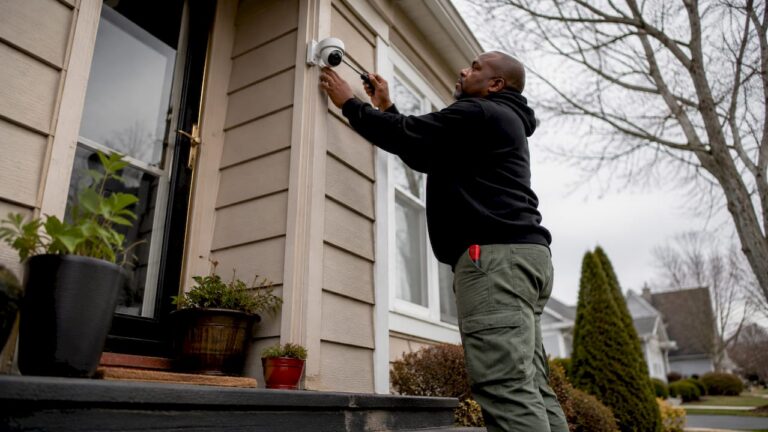
Home surveillance after a neighbor break-in is the practice of strategically installing cameras, securing entry points, and coordinating with community watch programs to protect your property from the same threat. When a break-in happens nearby, your home becomes a higher-risk target. Burglars often return to the same street or block. The good news is that a focused camera system, combined with Neighborhood Watch coordination, gives you both deterrence and evidence. This article covers exactly what to do, where to place cameras, and how to avoid the mistakes that make surveillance less effective.
What entry points should you secure first after a break-in?
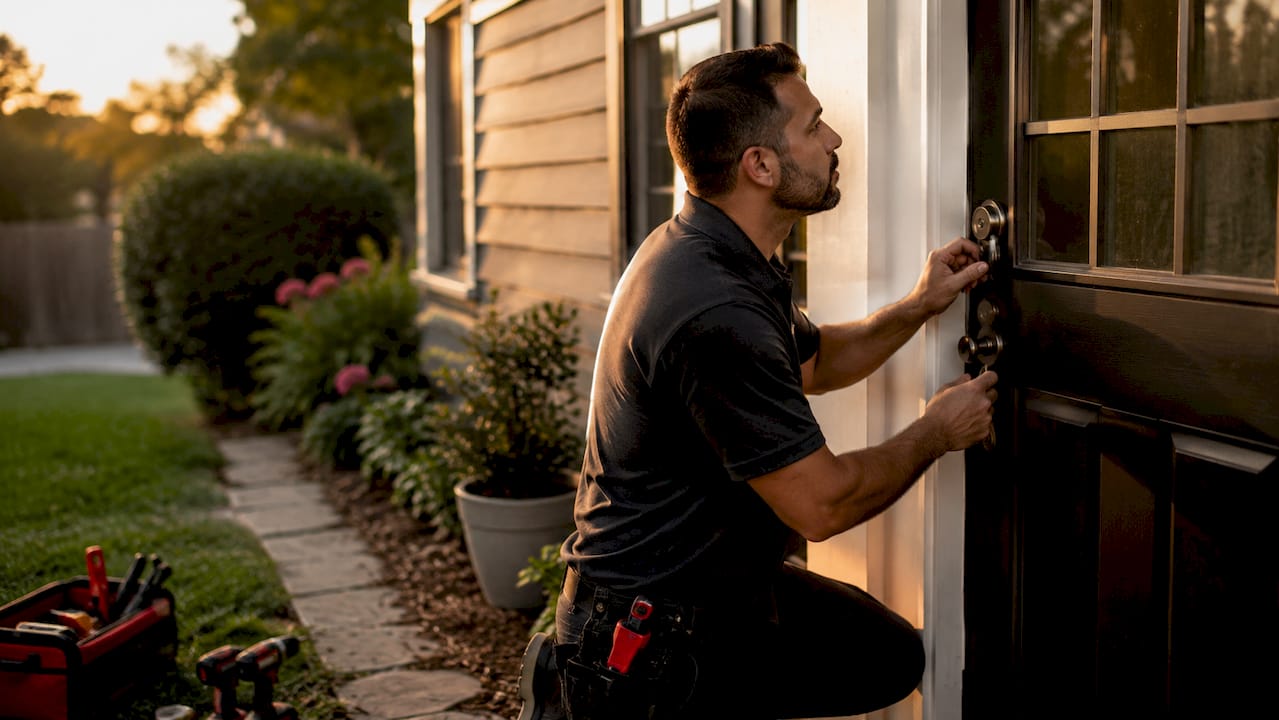
Securing entry points is the first physical step after a nearby break-in. Neighborhood Watch educational materials identify opportunity reduction at doors, windows, and exterior visibility as the top priorities for deterring repeat incidents. Burglars pick the path of least resistance. Removing that path is faster and cheaper than most homeowners expect.
Start with these locations in order of priority:
- Front door: Upgrade to a deadbolt with a reinforced strike plate. A standard door frame splinters easily under one kick.
- Garage door: Side-entry garages are a common blind spot. Add a door sensor and ensure the interior door to the house has its own deadbolt.
- Back and side doors: These are the most common entry points because they are out of street view. Reinforce hinges and add a secondary lock.
- First-floor windows: Sliding windows are easy to lift off their tracks. Pin locks or window security bars solve this in minutes.
- Exterior lighting: Motion-activated lights at every entry point remove the cover of darkness that burglars rely on.
Landscaping also matters more than most homeowners realize. Overgrown shrubs near doors and windows give intruders a place to work unseen. Trim anything that blocks sightlines from the street or from neighbors’ windows.
Pro Tip: Install motion-activated lights with a wide detection angle at your garage and back door. Lights that activate unexpectedly are one of the most effective low-cost deterrents available.
How should you position cameras after a neighborhood break-in?
Camera placement determines whether your system deters crime or simply records it after the fact. 83% of convicted burglars checked for cameras or alarm systems before attempting a break-in. That number tells you one thing: visible cameras work. The goal is to make your home look like the wrong choice before anyone gets close.
Prioritize your own entry points first
Point cameras at your front door, back door, garage, and driveway. These are the approach routes any intruder must use. A camera covering your front walkway captures faces at a usable distance. A camera at the garage catches license plates on vehicles that slow down or stop. Cameras must capture identifiable faces and approach routes with synchronized timestamps to be useful in a police investigation. Footage without a clear face or a readable timestamp has limited value in court.
Match camera type to location
| Location | Recommended camera type | Key reason |
|---|---|---|
| Front door | Wide-angle IP camera or video doorbell | Captures faces and packages at close range |
| Driveway or street approach | PTZ or fixed wide-angle camera | Covers vehicle movement and license plates |
| Back yard or side yard | Fixed outdoor camera with night vision | Monitors low-visibility areas after dark |
| Garage entry | Fixed camera with motion alerts | Catches approach before entry is attempted |
Focusing cameras on your own home’s entry points avoids capturing neighbors’ private spaces and keeps your footage legally sound. Aim cameras downward and inward toward your property line, not outward toward adjacent yards or windows.
Pro Tip: Synchronize the clocks on all your cameras to the same time source. Footage from two cameras that shows a 4-minute discrepancy can create problems during a police investigation.
Home security camera benefits extend beyond recording. Real-time motion alerts let you call 911 while an incident is still in progress, not hours later when reviewing footage.
How does your camera system connect to Neighborhood Watch?
A home camera system after a break-in is most effective when it feeds into a structured community safety network. Neighborhood Watch programs rely on organized information flow between residents and police, not on individual homeowners acting alone. Your footage becomes a community asset when shared through the right channels.
Follow these steps to integrate your surveillance with your local Watch program:
- Contact your Block Captain or Watch Director. Every active Neighborhood Watch has a designated coordinator. Introduce yourself and let them know you have cameras covering specific areas of your property.
- Establish a footage-sharing protocol in advance. Agree on how you will share clips: direct file transfer, a shared drive, or physical media. Decide this before an incident happens, not during one.
- Use the correct communication channels. Police-run Neighborhood Watch guidelines direct residents to call 911 for active emergencies and to contact block captains or non-emergency lines for suspicious activity that does not require immediate response. Never confront a suspect directly.
- Maintain a written log. Document dates, times, and descriptions of anything suspicious your cameras capture. A written log paired with video footage gives investigators a much stronger case than footage alone.
- Participate in the phone tree. Neighborhood Watch phone trees activate quickly after an incident. Being part of that network means you receive alerts about activity near your home and can share your own observations in return.
Neighborhood Watch programs increase safety by keeping police informed through resident observations. Your cameras make those observations far more credible and specific.
What mistakes should you avoid when upgrading your home security system?
The most common mistake homeowners make after a break-in is installing too many cameras pointed in the wrong direction. More coverage does not equal better coverage. Poorly aimed cameras create legal exposure and damage neighbor relationships without improving your actual security.
Watch out for these specific pitfalls:
- Privacy creep from wide-angle doorbell cameras. Wide-angle doorbell cameras can capture neighbors’ driveways, windows, and yards unless you use zone masking or adjust the camera angle carefully. This creates legal and ethical risk.
- Cameras aimed at neighbors’ private spaces. Even if unintentional, a camera that consistently records a neighbor’s backyard or bedroom window can result in complaints or legal action. Aim down and inward.
- No timestamp synchronization. Footage without consistent, accurate timestamps is harder for police to use. Set all devices to the same time source and check them monthly.
- Inconsistent labeling. Name each camera by location in your recording system (“front door,” “driveway left”). Unlabeled footage wastes time during an investigation.
- Relying on a single camera. 72% of burglaries happen when no one is home. A single camera covering one angle leaves gaps that a determined intruder can exploit.
“Over-coverage or mis-aiming cameras risks privacy violations. Using masking zones and careful camera selection protects neighbor relations and keeps footage legally sound.”
The best CCTV security cameras for residential use include built-in privacy masking features. Use them. They let you block out specific zones within the camera’s field of view without reducing coverage of your own property.
Key Takeaways
A professionally installed, well-aimed camera system combined with active Neighborhood Watch participation is the most effective response to a break-in on your street.
| Point | Details |
|---|---|
| Secure entry points first | Reinforce doors, windows, and add motion lighting before installing cameras. |
| Visible cameras deter burglars | 83% of burglars check for cameras before attempting a break-in. |
| Aim cameras at your own property | Focus on entry points and approach routes; avoid capturing neighbors’ private spaces. |
| Sync timestamps across all devices | Consistent time coding makes footage usable in police investigations. |
| Connect with Neighborhood Watch | Share footage through your Block Captain and participate in the phone tree. |
What I’ve learned from years of post-break-in installs
After working on dozens of residential camera installs that followed a nearby break-in, the pattern I see most often is the same: homeowners buy too many cameras, aim them too broadly, and end up with footage that is either legally problematic or useless to investigators.
The installs that actually work share three traits. First, they focus on the approach routes to the home, not the street in general. A camera that captures a face at 15 feet is worth more than four cameras that capture the same blurry figure from 60 feet away. Second, they treat camera placement as a legal document. Every frame your camera records could end up in a courtroom. Aim accordingly. Third, they connect the homeowner to a real community network. A camera that records an incident is useful. A camera that records an incident and feeds that footage to a Neighborhood Watch Director within the hour is far more likely to lead to an arrest.
The one thing I push back on hardest is the idea that more cameras automatically means more safety. I have seen homes with eight cameras that had worse coverage than a neighbor with three, simply because the placement was reactive rather than planned. A break-in nearby is a genuine threat signal. Treat it as an opportunity to build a system that works, not just a system that looks like it works.
— Tom
How Central Jersey Security Cameras can help after a nearby break-in
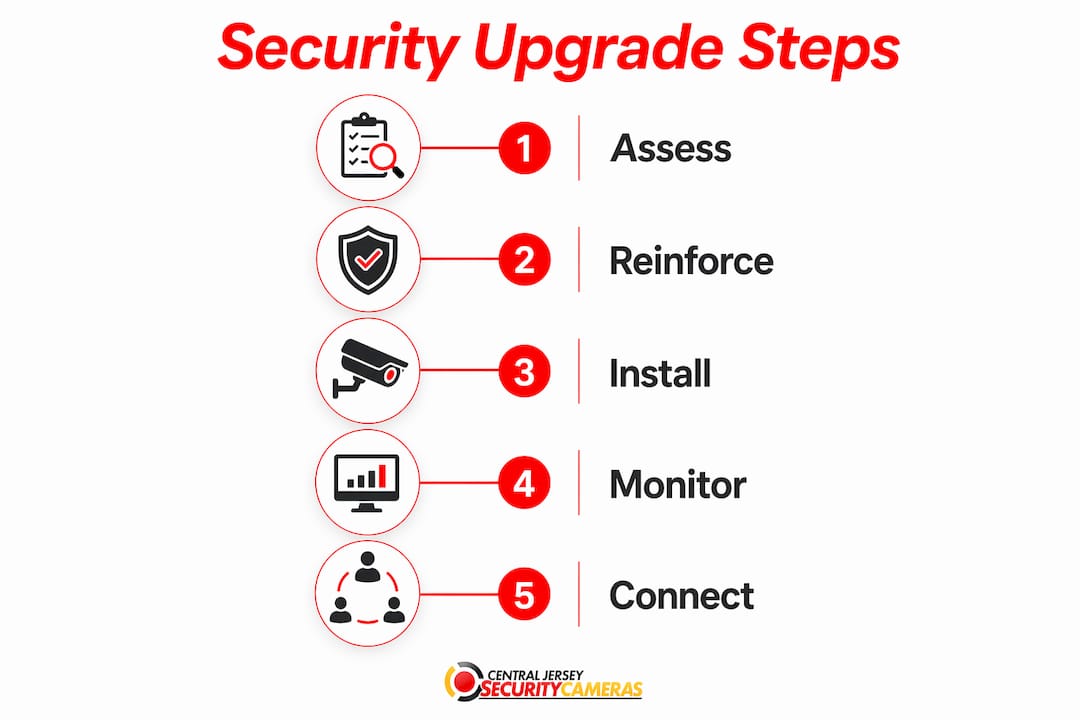
A break-in on your street is the clearest signal that your current setup needs a professional review. Central Jersey Security Cameras designs and installs custom CCTV systems for homeowners throughout Ocean County, Monmouth County, Middlesex County, and surrounding areas of Central New Jersey.
Every installation starts with a property walkthrough to identify your actual coverage gaps, not a generic camera count. The team at Central Jersey Security Cameras handles camera selection, mounting, NVR setup, timestamp synchronization, and remote viewing configuration so your system is ready to capture usable evidence from day one. If you want a home security camera system built around your property’s specific layout and risk profile, contact Central Jersey Security Cameras for a consultation.
FAQ
What should I do immediately after a neighbor’s break-in?
Secure your doors and windows first, then add motion-activated lighting at all entry points. Contact your local Neighborhood Watch Block Captain to report the incident and coordinate awareness.
How many cameras does a home need after a nearby break-in?
The number depends on your property layout, but most homes need 3–4 well-placed cameras covering the front door, back door, garage, and driveway approach. Quality placement matters more than camera count.
Do visible cameras actually deter burglars?
Yes. 83% of convicted burglars checked for cameras before attempting a break-in, making visible camera placement one of the most effective deterrents available.
Can my neighbor’s camera legally record my property?
Cameras aimed at public-facing areas are generally legal, but wide-angle cameras that consistently capture private spaces like backyards or windows can create legal and ethical issues. Zone masking resolves most of these problems.
How do I share camera footage with police or Neighborhood Watch?
Save clips with accurate timestamps and labeled camera names, then contact your Block Captain or bring footage directly to your local police non-emergency line. Neighborhood Watch guidelines recommend routing non-emergency reports through block captains rather than calling 911 unless a crime is in progress.