
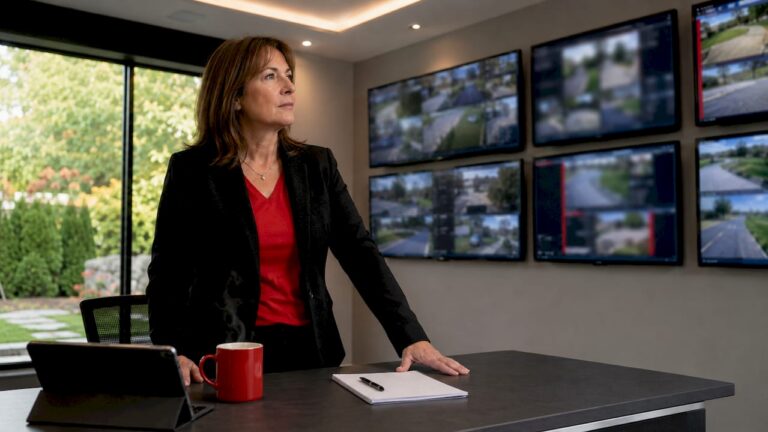
Surveillance is the single most effective tool gated communities have for preventing crime before it happens. Professional CCTV systems, AI video analytics, and license plate recognition cameras do not just record incidents. They actively deter criminals, alert security personnel in real time, and give law enforcement the visual evidence they need to act fast. Understanding how surveillance improves gated communities means recognizing that modern systems are proactive, not passive. The right setup transforms a gated entrance from a symbolic barrier into a genuine security layer that protects every resident inside.
How surveillance reduces crime in gated communities
Visible cameras stop crimes before they start. Visible security cameras deter approximately 60% of potential criminals, making gated communities far less attractive to opportunistic offenders. That figure matters because most residential break-ins are not planned in advance. A criminal who spots cameras at an entrance or along a perimeter fence will typically move on to an easier target.
The numbers behind monitored communities are hard to ignore. Gated communities with professional video surveillance observe crime reductions between 13% and 51% in monitored areas. Some HOAs report up to a 45% reduction in property crimes within six months of implementing video monitoring. That kind of drop is not a coincidence. It reflects what happens when criminals know they are being watched continuously, not just recorded after the fact.
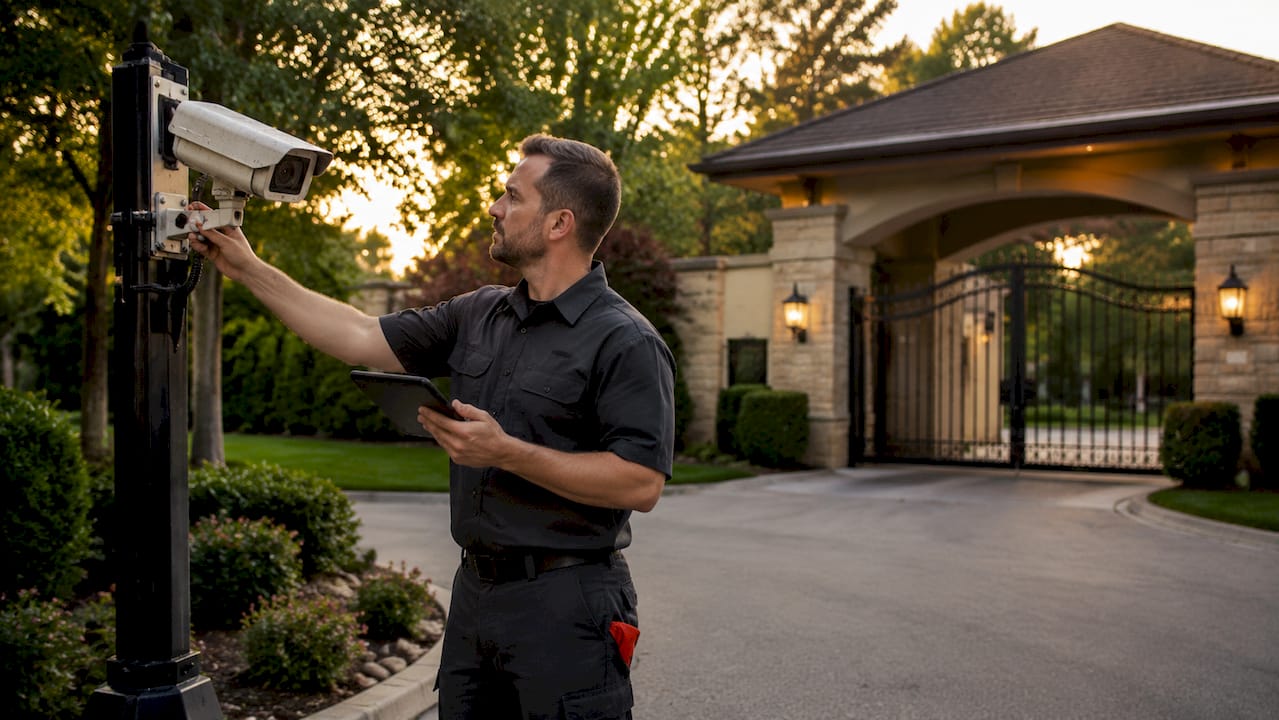
The key distinction is active versus passive monitoring. A camera that only records footage for later review cannot stop a crime while it is happening. Live monitoring with trained remote personnel changes that equation entirely. When a suspicious vehicle circles the entrance three times at 2 a.m., a live operator can intervene immediately, not the next morning.
The benefits of surveillance in communities extend beyond deterrence:
- Entrance monitoring logs every vehicle and visitor entering the property
- Perimeter coverage catches attempts to bypass the main gate through fences or secondary access points
- Evidence quality from high-definition entrance cameras assists law enforcement in identifying suspects and vehicles
- Incident documentation reduces disputes between residents and management over what actually occurred
Gate guards vs. AI remote monitoring: which works better?
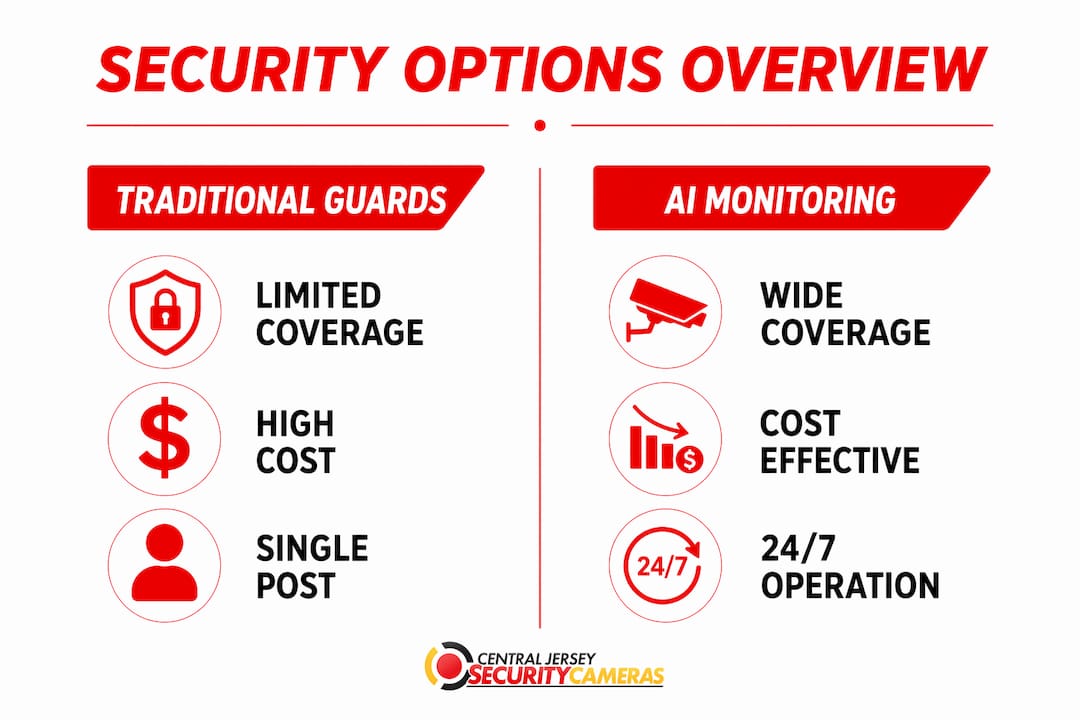
Traditional manned gate guards have been the default security measure for gated communities for decades. The problem is that a single guard cannot watch multiple camera feeds, manage visitor logs, and physically patrol a perimeter at the same time. Human attention has limits. AI-powered remote video monitoring does not.
| Feature | Traditional gate guard | AI remote video monitoring |
|---|---|---|
| Coverage area | Single post | Multiple zones simultaneously |
| Cost | High (24/7 labor) | 60–70% lower than onsite guards |
| Response speed | Dependent on guard availability | Instant automated alert |
| Documentation | Manual logs | Automated digital records |
| Legal liability | Higher (human error) | Reduced with recorded evidence |
Transitioning from gate guards to AI remote monitoring reduces HOA security costs by 60–70%. For communities paying $150,000 or more annually for round-the-clock guard staffing, that savings is substantial. The money saved can fund camera upgrades, perimeter hardening, or resident amenity improvements.
Remote monitoring also reduces legal exposure. When an incident occurs, digital footage with timestamps provides an objective record. That record protects the HOA from liability claims and gives law enforcement a clear starting point for any investigation.
Pro Tip: Ask your HOA board to request a cost comparison between your current guard contract and a professional remote monitoring proposal. The numbers typically make the case on their own.
Key features of modern surveillance systems for gated areas
Modern surveillance systems for gated communities are built around four core technologies that work together to create layered protection.
License plate recognition
License plate recognition (LPR) cameras automatically read and log every vehicle entering or leaving the community. When a plate matches a flagged vehicle, the system generates an instant alert. LPR removes the human error factor from vehicle logging and creates a searchable database that law enforcement can access during investigations. Integrating LPR with visitor pre-authorization and mobile credentials reduces unauthorized access significantly.
AI behavioral analytics
AI video analytics transform CCTV from passive recording into active threat identification. The system analyzes movement patterns in real time and flags behavior that deviates from normal activity. A person loitering near a fence line for an extended period, or a vehicle that enters and exits multiple times without stopping, triggers an automated alert before any incident occurs.
Real-time alerts and live intervention
Automated alerts sent to remote monitoring personnel or directly to residents’ phones close the gap between detection and response. The system does not wait for a human to notice something unusual on a screen. It identifies the anomaly and pushes a notification immediately.
Visitor management integration
Modern systems connect surveillance cameras with visitor management platforms. Residents can pre-authorize guests through a mobile app. When the guest arrives, the LPR camera confirms the plate, the system verifies the authorization, and the gate opens without requiring a guard to make a judgment call. Every visit is logged automatically.
The most effective gated community setups combine all four of these features rather than relying on any single technology.
How surveillance improves emergency response and daily community life
Surveillance systems provide real-time situational intelligence that shortens emergency response times by enabling live visual verification before help arrives. When a resident calls 911 to report a suspicious person, dispatchers who have access to live camera feeds can confirm the situation, describe the suspect accurately, and direct officers to the right location immediately. That kind of coordination saves critical minutes.
Resource allocation improves as well. Law enforcement agencies that can see an incident unfolding in real time send the appropriate response. A minor disturbance does not draw the same resources as an active break-in. That efficiency benefits both the community and the broader public safety system.
The daily quality-of-life benefits are just as real. Residents can check a live feed to see whether a package was delivered, confirm that a contractor arrived on time, or verify that children reached the playground safely. Remote access through a smartphone app puts that visibility in every resident’s pocket.
Pro Tip: Set up mobile alerts for your home’s camera zones so you receive a notification any time motion is detected at your front door or driveway, even when you are away from the community.
Communities that install cameras near shared amenities like pools, playgrounds, and parking lots also see fewer disputes between neighbors. When an incident is captured on video, there is no room for conflicting accounts. The footage speaks for itself, and management can resolve complaints quickly and fairly.
Best practices for maximizing surveillance effectiveness
Technology alone cannot provide complete security. Effective gated community safety requires layering surveillance with physical security measures and clear community policies. A camera that covers the main entrance but ignores the rear fence line leaves an obvious gap that determined intruders will find.
The most effective surveillance setups follow these principles:
- Cover the full perimeter. Perimeter fences and secondary entrances are the most vulnerable points in any gated community. Cameras must monitor these areas, not just the main gate.
- Establish clear visitor policies. Every visitor should be pre-authorized or verified through a documented process. Informal arrangements create gaps in the access log.
- Schedule regular system maintenance. Cameras with dirty lenses, misaligned angles, or outdated firmware deliver degraded footage. Routine checks keep the system performing at full capacity.
- Engage residents actively. Surveillance requires routine maintenance and resident cooperation for maximum effect. Residents who prop gates open, share access codes, or allow unverified guests undermine the entire system.
- Integrate with physical barriers. Cameras work best alongside reinforced fencing, proper lighting, and controlled access points. Each layer compensates for the limits of the others.
The layered defense approach that combines surveillance, physical hardening, and policy enforcement is the standard that security professionals recommend for residential communities of any size.
Key Takeaways
Professionally installed surveillance systems are the most effective way to reduce crime, lower security costs, and improve emergency response in gated communities.
| Point | Details |
|---|---|
| Crime deterrence is measurable | Visible cameras deter roughly 60% of potential criminals and cut property crimes by up to 45% in monitored communities. |
| AI monitoring beats manned guards | Remote AI monitoring covers more ground at 60–70% lower cost than 24/7 onsite guard staffing. |
| Technology needs policy support | Cameras alone are insufficient without visitor management policies and active resident cooperation. |
| LPR and analytics add precision | License plate recognition and behavioral analytics catch threats before incidents occur, not after. |
| Emergency response improves | Live visual feeds give dispatchers real-time intelligence, reducing response times and improving resource allocation. |
What I’ve learned from watching communities make the switch
I have seen gated communities in Central New Jersey go from reactive security setups to fully monitored, AI-assisted systems. The transformation is not just technical. It changes how residents feel about where they live.
The communities that struggle are the ones that treat surveillance as a one-time installation. They put cameras at the gate, hand the HOA board a login, and call it done. Six months later, a camera is pointed at the sky because nobody checked the mounting, and half the residents have shared the gate code with contractors who never got removed from the system.
The communities that thrive are the ones that treat surveillance as an ongoing practice. They schedule quarterly system reviews. They enforce visitor policies consistently. They use the footage not just for incidents but for routine monitoring that keeps everyone accountable.
The shift from passive recording to proactive AI-driven intervention is real, and it matters. But the technology only works when the community around it is engaged. A $50,000 camera system managed carelessly will underperform a $15,000 system backed by clear policies and resident buy-in every single time.
My honest advice: before your HOA board approves a new surveillance budget, spend thirty minutes reviewing your current visitor policy and access log. Fix the human gaps first. Then let the technology do what it does best.
— Tom
Upgrade your community’s surveillance with Central Jersey Security Cameras
Gated communities across Central New Jersey are moving from outdated camera setups to professionally designed systems that include AI analytics, license plate recognition, and remote monitoring. Central Jersey Security Cameras designs and installs custom CCTV systems built specifically for residential communities, HOA properties, and multi-unit developments throughout Ocean County, Monmouth County, Middlesex County, and surrounding areas.
Whether your community needs a full system upgrade or targeted coverage for a vulnerable perimeter zone, Central Jersey Security Cameras provides professional installation, system design, and long-term support. Explore security camera options built for residential and community applications, or review the home security camera benefits that apply directly to gated community setups. Contact the team to schedule a property assessment and get a system designed around your community’s specific layout and needs.
FAQ
How much can surveillance reduce crime in a gated community?
Professional video surveillance reduces crime by 13%–51% in monitored areas, with some HOAs reporting a 45% drop in property crimes within six months of implementation.
Is AI remote monitoring better than a traditional gate guard?
AI remote monitoring covers more zones simultaneously and costs 60–70% less than 24/7 onsite guard staffing, while also providing automated documentation and faster alert response.
What cameras work best for gated community entrances?
License plate recognition cameras and advanced analytic cameras are the most effective at gated entrances because they log every vehicle automatically and flag suspicious behavior in real time.
Do surveillance systems help with emergency response?
Live camera feeds give dispatchers real-time visual confirmation of incidents, which improves resource allocation and reduces the time it takes law enforcement to reach the right location.
Can residents access surveillance footage from their phones?
Most modern CCTV systems include remote viewing through a smartphone app, allowing residents to monitor package deliveries, visitor arrivals, and shared amenity areas from anywhere.