
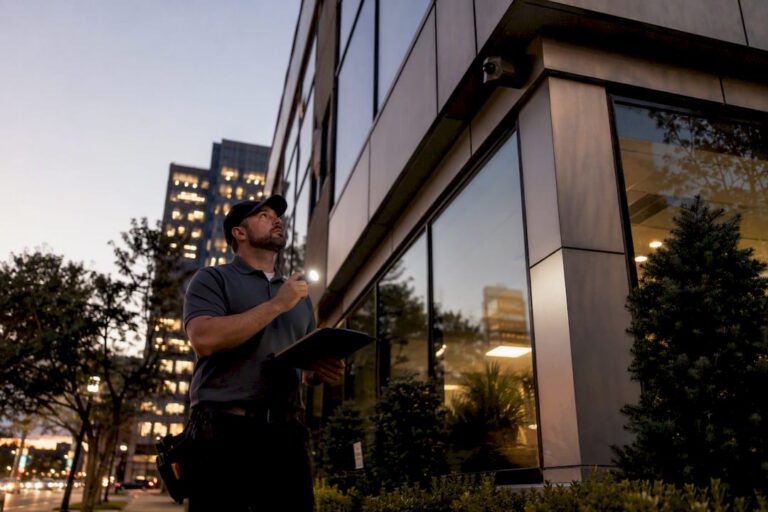
Professional surveillance is one of the highest-return security investments a business can make, and the research backs it up. A 2019 meta-analysis of 161 studies found CCTV cuts crime by roughly 13% on average, with monitored and layered systems pushing that number far higher. Industry bodies like the International Association of Professional Security Consultants back this up with the same conclusion: cameras only work as well as the design and monitoring behind them. That’s the gap Central Jersey Security Cameras exists to close for New Jersey businesses.
Three things drive the return:
- Crime deterrence. Visible, correctly placed cameras stop trouble before it starts.
- Evidence quality. Clear, timestamped footage speeds up police reports and insurance claims.
- Operational insight. The same cameras that stop theft also reveal bottlenecks, staffing gaps, and safety issues.
Key Takeaways
Professional surveillance pays off through layered deterrence, faster claims resolution, and daily operational insight that DIY cameras rarely deliver.
| Point | Details |
|---|---|
| Monitoring drives results | Layered, actively monitored systems show far larger crime reductions than passive recording. |
| Evidence speeds resolution | Timestamped footage cuts investigation time for insurance claims and police reports. |
| Operations benefit too | Footage reveals staffing gaps, process errors, and safety compliance issues beyond security. |
| Legal limits apply | Employee monitoring requires signage, written policy, and access controls to stay compliant. |
| Professional design matters | Central Jersey Security Cameras builds coverage plans around a site survey, not guesswork. |
Table of Contents
- What Does the Evidence Actually Show?
- How Does Surveillance Prevent Theft and Support Insurance Claims?
- Can Surveillance Improve Daily Operations, Not Just Security?
- Is a DIY Camera System Enough, or Do You Need a Professional Installer?
- What Should You Look for in a Surveillance System and Installer?
- What Are the Legal Limits on Workplace Surveillance?
- Where Does Professional Installation Change the Outcome Most?
- An Installer’s Take on What Actually Works
- How Central Jersey Security Cameras Helps You Get Started
- Sources
What Does the Evidence Actually Show?
The headline number from the OJP meta-analysis is a 13% overall crime reduction across 161 studies spanning 1978 to 2017. That’s the floor, not the ceiling. Passive, record-only setups showed no statistically significant effect at all.
That gap matters more than the headline figure. A camera nobody watches and nothing else supports is closer to a placebo than a security measure.
- Overall CCTV effect: ~13% crime reduction
- Actively monitored systems: ~15% reduction
- Layered systems (cameras + lighting + signage + staff): ~34% reduction
- Passive record-only systems: no significant effect
When you estimate return on investment, weight it toward monitoring and integration, not camera count.
How Does Surveillance Prevent Theft and Support Insurance Claims?
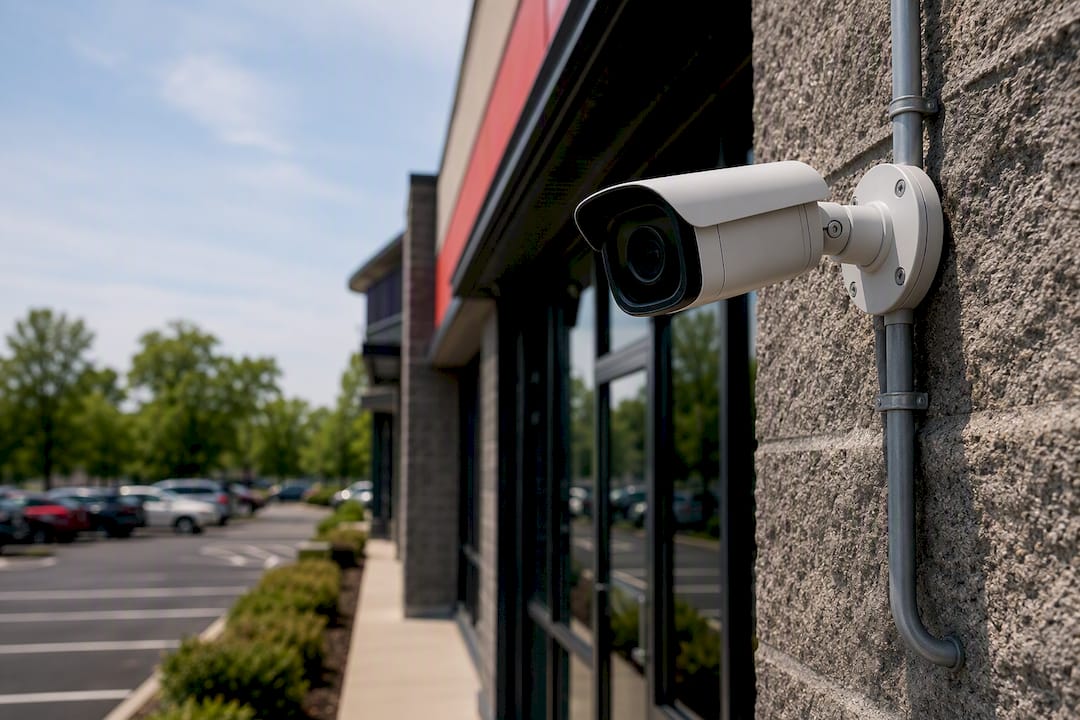
A camera bolted above a cash register does more than record. Placed correctly, it interrupts the calculation a shoplifter or opportunistic employee makes before acting. Private-sector security research confirms that visible, well-positioned cameras reduce both external theft and internal shrink, though the effect depends heavily on whether anyone is actually watching the feed or reviewing it promptly.
The evidence angle is where professional systems earn their cost back fastest. A slip-and-fall claim that used to take weeks of witness statements and guesswork now takes an afternoon of footage review. A delivery dispute over a missing pallet gets settled by timestamped video instead of a shouting match between a driver and a warehouse manager. Insurers know this. Clear documentation shortens investigation time and, in many cases, supports lower premiums because the carrier’s own risk exposure drops.
- Deters opportunistic and repeat theft through visible presence
- Produces evidence insurers and police can act on immediately
- Shortens claims investigation timelines
- Reduces disputes over deliveries, incidents, and liability
Pro Tip: *Cameras alone rarely maximize deterrence. Pair visible camera housings with clear signage and adequate lighting at entry points, loading docks, and cash areas. Angle cameras to eliminate blind spots at corners and behind displays.
Can Surveillance Improve Daily Operations, Not Just Security?
Surveillance earns its keep on days when nothing criminal happens at all. Retail managers use footage to see where customers stall in the aisles and rework store layout around it. Warehouse operators review loading-dock footage to catch mislabeled pallets before they leave the building, not after a customer complains. Restaurant managers use timestamped video to confirm whether a slip-and-fall happened the way a claimant describes it, cutting resolution time from weeks to days.
This is the shift Axis Communications has documented across commercial deployments: cameras function as daily management tools that happen to also prevent crime, not the reverse. That framing changes how the expense gets justified internally, since the return shows up in fewer wasted labor hours and faster incident resolution, not just fewer break-ins.
- Verifies safety-protocol compliance without manual spot checks
- Documents incidents for regulatory or industry-specific requirements
- Flags process inefficiencies (loading errors, customer flow, staffing gaps)
| Point | Details |
|---|---|
| Beyond security | Footage review catches operational errors before they become customer complaints. |
| Compliance documentation | Timestamped video supports regulatory incident reports without relying on memory. |
| Faster resolution | Claims and disputes settle in days instead of weeks when footage is available. |
Is a DIY Camera System Enough, or Do You Need a Professional Installer?
A $150 camera from a big-box store can watch a garage door. It generally can’t cover a 40,000 square foot warehouse without blind spots, survive a New Jersey winter mounted outdoors, or hold 90 days of 4K footage without the storage filling up in a week. Professional installers start with a site survey, something Evolution Security’s own guidance treats as the non-negotiable first step, because coverage gaps only show up after an incident, not before.
| Factor | DIY setup | Professional system |
|---|---|---|
| Coverage planning | Guesswork, frequent blind spots | Site survey, engineered coverage |
| Storage & retention | Limited, often overwritten fast | Sized for compliance and claims needs |
| Network security | Consumer-grade, often unpatched | Hardened, segmented networking |
| Monitoring | Rare, reactive | Can be continuous or alert-based |
- DIY can work for a single low-risk space with no compliance requirement
- Professional installation matters once you have multiple entrances, high-value inventory, or any regulatory obligation
- Upfront cost is higher with a pro system, but retention, reliability, and monitoring reduce long-term losses
What Should You Look for in a Surveillance System and Installer?
Picking the right system comes down to a handful of technical questions most business owners never think to ask until something fails.
- Coverage planning. Has the installer walked the property and mapped blind spots, or are they just quoting a camera count?
- Camera type and resolution. Does low-light and nighttime performance match your actual risk hours?
- Storage and retention. How many days of footage does the system hold, and does that match insurance or industry requirements?
- Network security. Is the system on a segmented, encrypted network, or sharing your office Wi-Fi?
- Analytics and scalability. Can the system flag events automatically, and can it grow if you add a location?
Ask vendors for references, certifications, and a written service-level agreement before signing anything. An access control guide for small businesses covers similar vetting questions worth applying to any security vendor, not just camera installers.
- Red flag: no site survey before a quote
- Red flag: vague answers about data retention or encryption
- Red flag: sales pressure with no documentation to back up claims
What Are the Legal Limits on Workplace Surveillance?
Employers generally have the right to monitor common work areas for security and operational purposes, but that right isn’t unlimited. State privacy laws vary, and cameras in areas with a reasonable expectation of privacy (restrooms, break rooms in some states) create real legal exposure. The safest approach documents a legitimate business purpose, minimizes intrusion, and puts policies in writing.
- Post visible signage where cameras are in use
- Set and follow a defined footage retention period
- Restrict access to recordings to specific, named staff
- Put your monitoring policy in writing and share it with employees
Pro Tip: Keep a simple written log of who accessed footage and why. It costs nothing and becomes your best defense if an employee ever challenges how recordings were used.
For anything ambiguous, especially monitoring in shared or mixed-use spaces, loop in an employment attorney before installation—not after a complaint.
Where Does Professional Installation Change the Outcome Most?
Some situations make the case for professional design almost by themselves.
- Retail loss prevention: multiple entry points and blind-spot-prone aisles need engineered coverage, not a single wide-angle camera.
- Warehouse and logistics: loading docks and high-value inventory areas carry liability exposure that a gap in coverage turns into a real financial loss.
- Multi-location franchises: owners managing several sites need centralized remote monitoring, not separate logins for every store.
Central Jersey Security Cameras designs and installs systems across these exact scenarios throughout Central New Jersey, backed by technicians experienced in commercial, warehouse, and multi-site deployments.
An Installer’s Take on What Actually Works
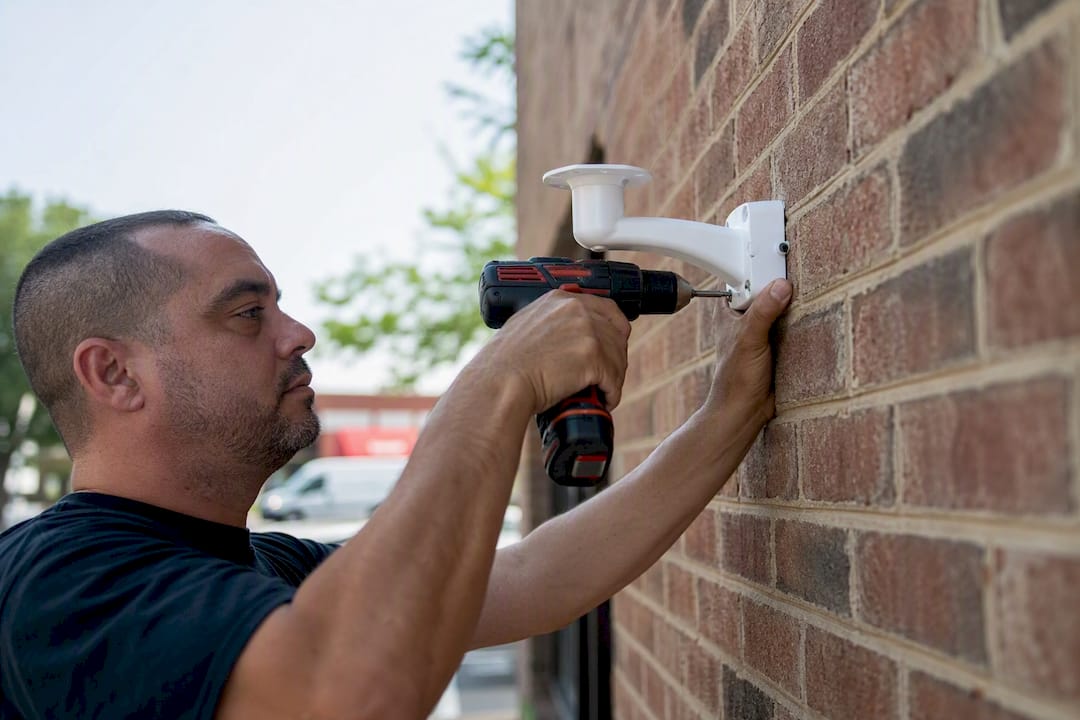
The lesson that shows up in nearly every deployment: the site survey matters more than the camera brand. I’ve seen businesses spend on top-tier hardware and still miss the loading dock corner where every incident happens, because nobody walked the property first. Get the coverage plan and retention policy right before worrying about camera resolution. And keep one thing in mind through all of it: good surveillance protects the business without turning the workplace into something employees resent walking into every morning.
How Central Jersey Security Cameras Helps You Get Started
Most businesses don’t need a hard sell, they need someone to walk the property and tell them the truth about what coverage actually requires. That’s what a site survey from Central Jersey Security Cameras delivers: a straightforward look at your entry points, blind spots, and storage needs, with no pressure to buy more than the property calls for.
A typical engagement includes a full site survey, a custom coverage design, professional installation, secure network configuration, staff training on the system, and ongoing maintenance options so the system keeps working long after installation day. Whether you’re outfitting a single retail location or coordinating commercial security across multiple properties, the process starts the same way: someone qualified looks at your actual space before recommending anything.
If you’re weighing options for a warehouse, office, or retail property, request a free site survey for your commercial property and get a coverage plan built around how your business actually operates, not a generic package.
Sources
- CCTV surveillance for crime prevention: A 40-year systematic review and meta-analysis (OJP)
- EBSP-25-01 Video Surveillance: A primer for private-sector security professionals (IAPSC)
- Operational efficiency and industrial surveillance (Axis Communications newsroom)
The meta-analysis measures crime outcomes across decades of studies; industry guides interpret those findings for real-world deployment decisions.
This article is general information, not a substitute for advice from a qualified lawyer. Consult a qualified legal professional about your own circumstances before acting on anything here.